The Abhishek Banerji

Abhishek Banerji

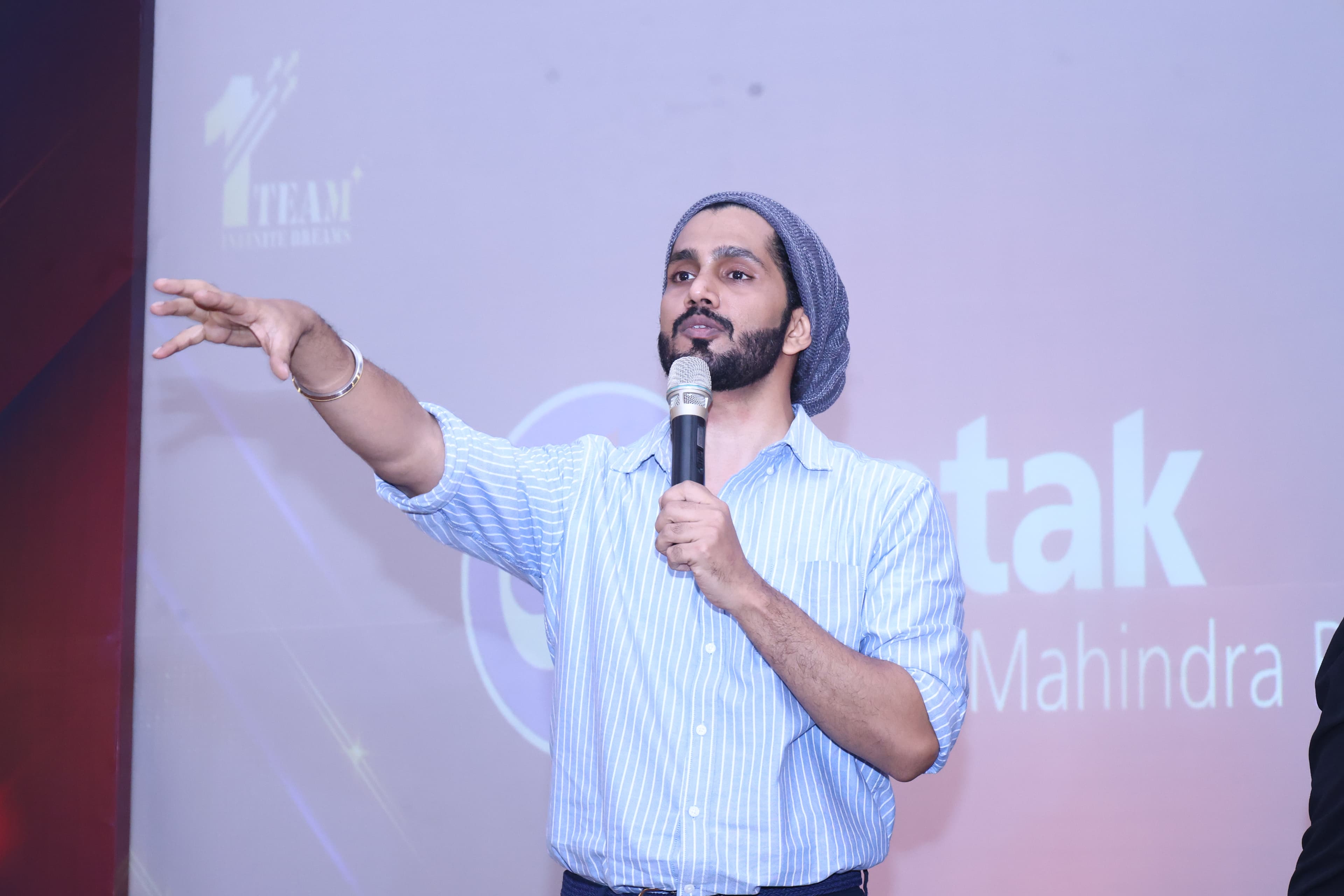
Abhishek Banerji, a Karmaveer Chakra Award winning Psychologist, Registered Expressive Arts Based Therapist, TEDx Speaker, Creative Leadership Consultant, Theatre Artist, and former Chemical Engineer brings multi-disciplinary expertise to his professional endeavors. Grounded in trauma-informed and queer-affirmative methodologies, he is also a certified PoSH (Prevention of Sexual Harassment) and DEI (Diversity, Equity, and Inclusion) practitioner. A distinguished alumnus of the Tata Institute of Social Sciences (TISS), Abhishek has worked with various Fortune 500 companies and top educational institutions in the space of  wellness and human development.

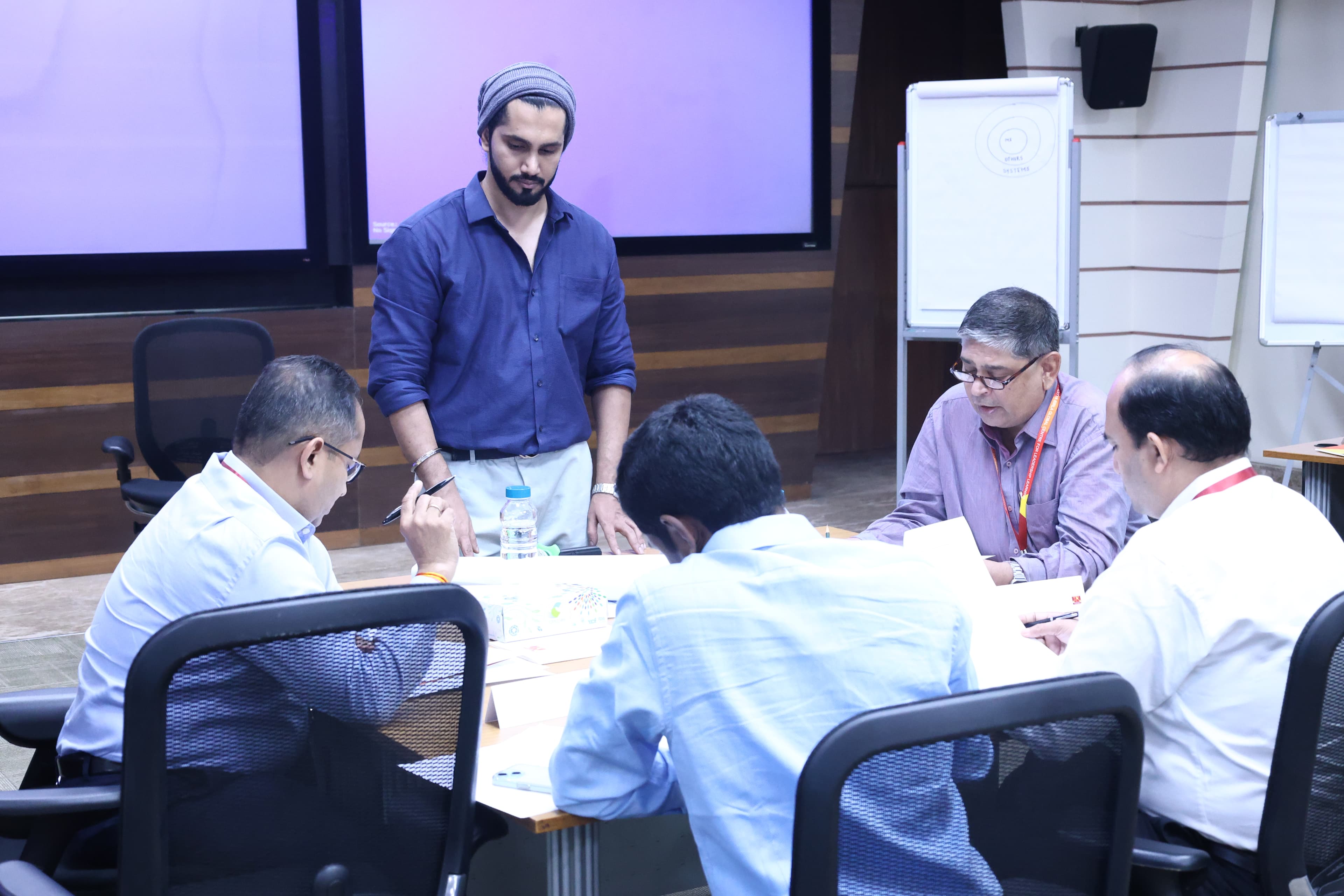
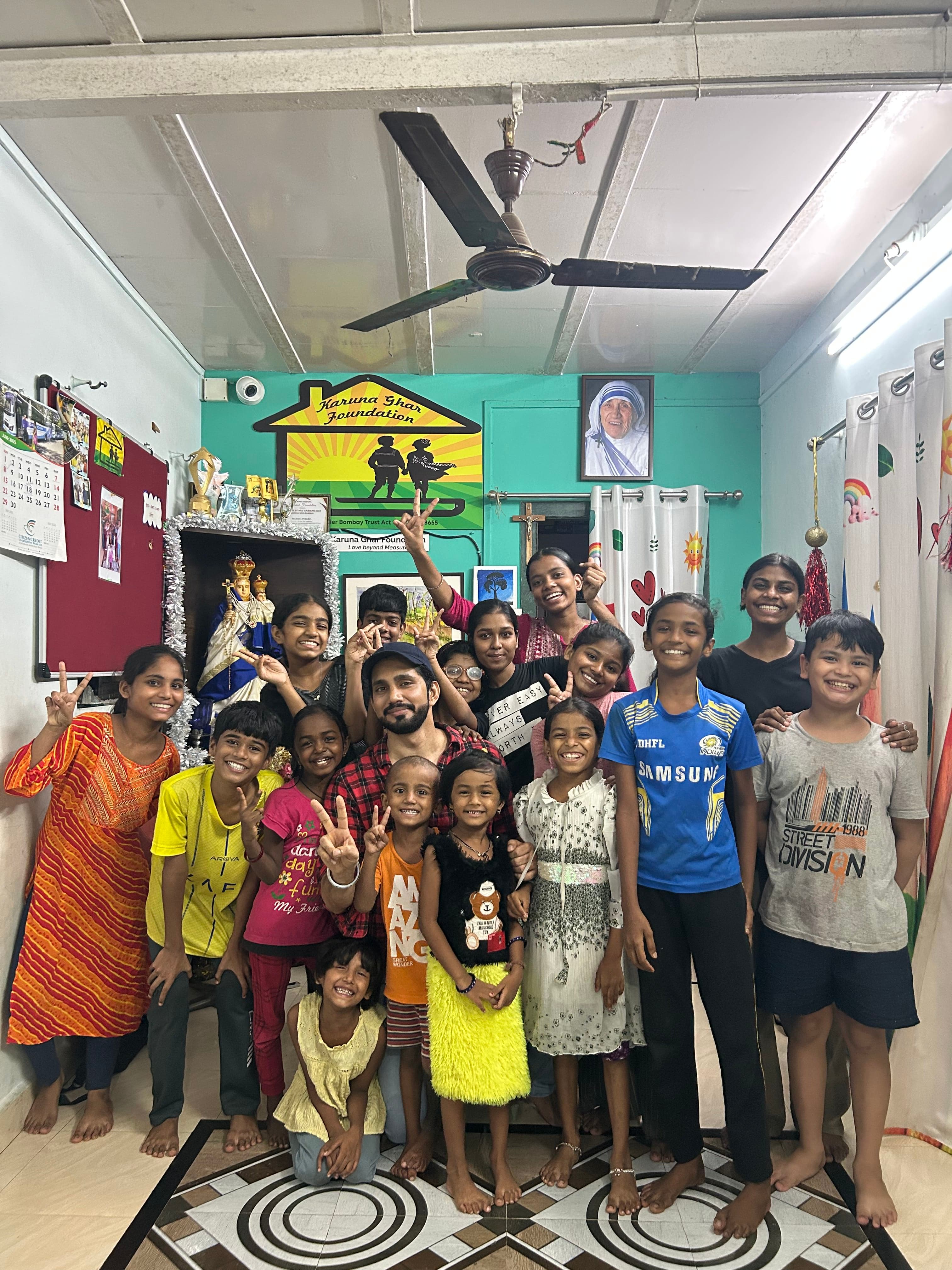
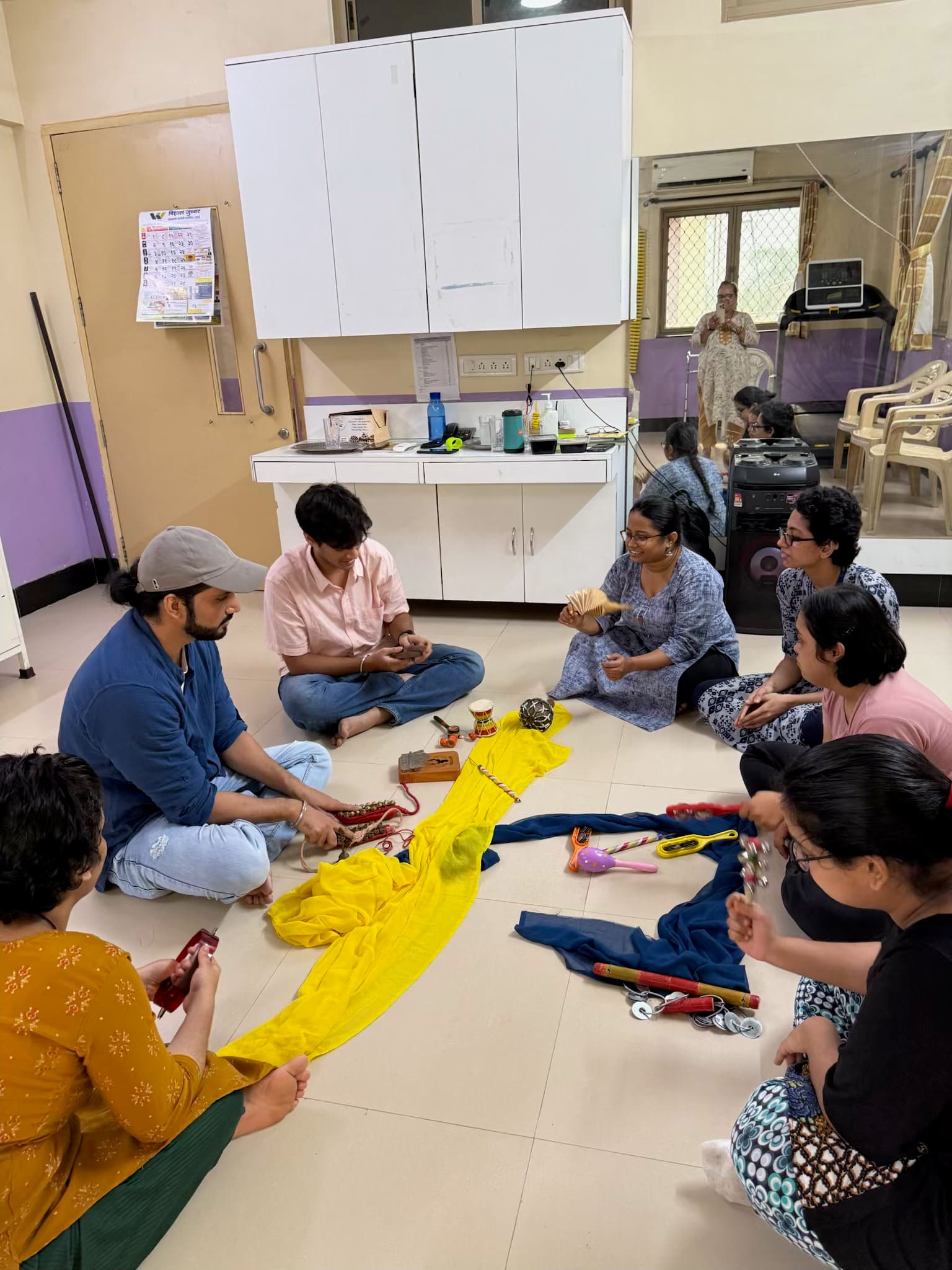
Embracing a philosophy of holistic and integrative wellness, Abhishek’s work spans across what he describes as the 4C’s: Clinics, Classrooms, Corporates, and Communities. He has engaged with diverse populations ranging from 8 years of age to 80, offering his expertise and support. 

INITIATIVES

Evolve – Integrative Center for Applied Psychology & Creative Expression

is a multidisciplinary organization for : Student and Corporate Development, Mental Health & Emotional Wellness, Integrative Psychotherapy & Counselling, Entrepreneurship & Leadership Development and Artistic & Creative Expression.

With a wide array and amalgamation of offerings we cater to a populace from 8 years of age to 80. We have worked with schools, colleges, companies, hospitals, NGOs, communities, summits, festivals etc. all across India. At Evolve, we seek to educate, empower and equip our clients with distinctive cognitive, emotional and psycho-social skills that help them achieve success, fulfilment, growth, peace and balance in various dimensions of life.

“An epiphany enables you to sense creation not as something completed, but as constantly becoming, evolving, ascending. This transports you from a place where there is nothing new to a place where there is nothing old, where everything renews itself, where heaven and earth rejoice as at the moment of creation.” -Abraham Isaac Kook

The Epiphany Arts Foundation aims to foster performance arts as a facilitative catalyst in the journey of being, believing and becoming for both – the artiste and the audience, the performer and the patron, the ‘stager’ and the ‘spectator’ through the cohesive power of storytelling and the embodied experience of experimental theatre. It is a laboratory of thought, feeling and reflection on the amorphous, abstract and organic nature of human experience unbridled and untarnished by the rigmarole of the mechanistic mundane.

GALLERY

INSTAGRAM

@theabhishekbanerji
  • Glad to be featured in Bombay Times Voices of India’s Future 2026, alongside inspiring changemakers. 

🔗 Link in bio

[Psychologist, Mental Health, Wellbeing, Leadership, Bombay Times, Mental Health Advocate]
  • Excited to be conducting a masterclass alongside a distinguished and power-packed lineup of 25+ seasoned HR leaders in this thoughtfully curated series. Looking forward to meaningful dialogue and shared learning.
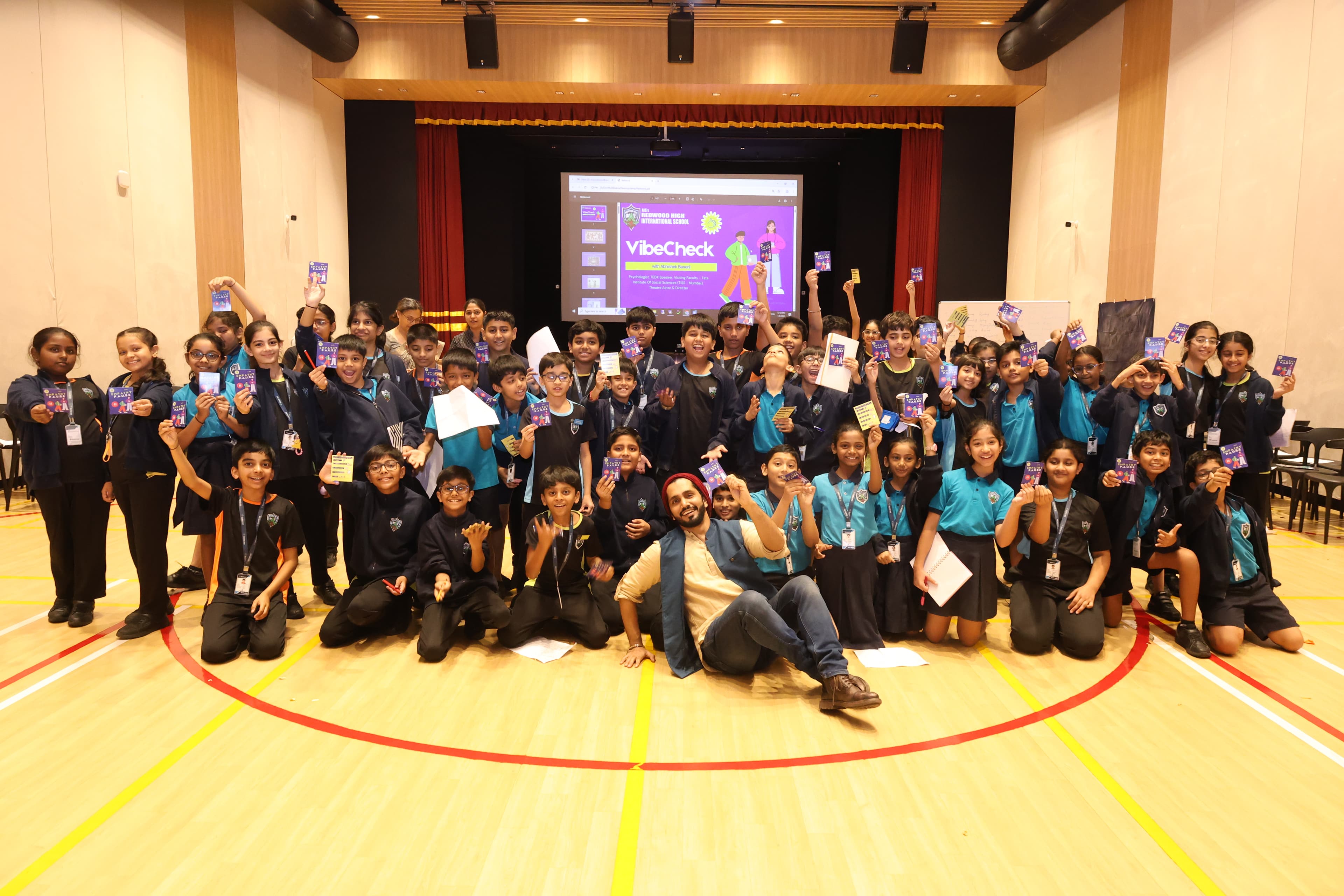
  • Never imagined a workshop I was anxious about would end with autographs and unexpected aura points.

A few days ago, I was invited to conduct a workshop for Gen Alpha students (born ~2010 onwards, raised by algorithms). This came after spending most of the last year designing and facilitating workshops and interventions for CEOs, senior leaders, and diverse professional groups.

Yet, I walked in carrying more assumptions than I realised.
About attention.
About engagement.
About how connection might look with this generation.

There was also a quiet question in the background. Will I still be relevant here?
And, honestly, a fear of coming across as a slightly ancient millennial.
The kind that gets side-eyed as low-key sus (Gen Alpha for “not fully trusted yet”).

But somewhere between learning to speak skibidi, rizz, sus, no cap, and sigma, I realised what actually mattered was not fluency. It was authenticity.

What mattered more was genuine connection.
Respecting their perspectives.
Creating space where they felt heard, not talked at.
Treating them as thinking, feeling humans rather than a “generation” to be managed.

I was also genuinely surprised by how informed they already are, and how openly this generation is willing to talk about mental health, empathy, bullying, and the things adults often assume they are “too young” to understand.

It brought me back to how central presence and connection really are, regardless of age or generation.

PS: For anyone attempting to stay culturally relevant 👇

Aura points → social credibility / cool points
Skibidi → nonsense / chaotic humour
Rizz → charisma, charm
Sus → suspicious, questionable
No cap → for real, not lying
Sigma → independent, confident (often ironic)
  • There’s a quiet intimacy in museums when you stand in front of art from another time. You’re here, in your own present, but what you’re looking at belongs to a different world. Different clothes, different rhythms, different ways of being human.

For a moment, time feels layered. Your now sits gently on top of someone else’s then. The distance between centuries doesn’t feel so wide. The art doesn’t rush to explain itself. It simply exists, carrying traces of the time it came from.

You find yourself slowing down, almost instinctively, a small reverence settling in. The moment feels personal, even private, as though you’ve been allowed to witness something that survived long enough to reach you.

When you walk away, you’re still aware of it. That you briefly stood at the edge of two time periods, holding the present while quietly meeting the past.

#art #history #museum
  • It was a pleasure conducting the Drama Therapy and Geriatric Wellbeing session for the current cohort of the Diploma in Gerontology at Tata Institute of Social Sciences

We explored a range of creative, movement-based, expressive and theatrical processes, each rooted in geriatric well-being: 

Emotion-centered activities : We used playful and expressive tools to help understand, express, and regulate emotions - skills that support emotional well-being in older adults.

Body movement & freeze frames : Through gentle movement and embodied storytelling, we looked at how body awareness, mobility, and non-verbal communication play a vital role in healthy ageing and connection. 

Improvisation games : These sparked creativity, mental flexibility, spontaneity, and cognitive stimulation - all crucial in maintaining cognitive vitality and memory in geriatric care. 

Voice exercises : We explored exercises that help reclaim one’s voice and build confidence - empowering older adults in self-expression and self-advocacy. 

Story-making & help-seeking : We engaged in individual story creation to understand deeper narratives around seeking support, belonging, and resilience.

Group story creation, mask work & presentations : Collaborative processes encouraged perspective-taking, social bonding, empathy, and shared meaning-making - core to psychosocial enrichment for elders.

Grateful to Dr. Saigita Chitturu ma'am for the opportunity and thankful to the cohort for their openness, playfulness, and depth.

Here’s to creative ageing, compassionate conversations, and the power of expressive arts in geriatric care. 💛

[mental health, psychologist, geriatric, elder care, healthy ageing]
  • I had the honour of conducting "C.A.R.E to Include – An Experiential Lab on Allyship, Empathy and Disability in the Future of Work” on 3rd December, the International Day of Persons with Disabilities.

In this lab, we explored what it means to move from intention to action as allies, not just talking about inclusion, but practicing it in our bodies, choices, beliefs and systems.

I shared the C.A.R.E Model, a simple but reflective lens for everyday allyship:

Check assumptions (C): Pause before you label, and question the story in your head about someone’s abilities or needs.

Ask what helps (A) : Don’t guess support – ask, “What would be helpful for you right now?”

Respect lived experience (R): Trust that people know their own bodies, minds, and realities better than any outsider.

Enable access (E) : Change spaces, systems, and habits so everyone can participate meaningfully, not just “fit in”.

A huge shoutout to Vinicio Adivisory for organizing this and holding space for such an important conversation. 

#CAREtoInclude #DisabilityInclusion #Allyship #FutureOfWork #InclusionMatters
  • Is Masculinity in crisis? Or is it the old script of masculinity that’s collapsing? Why is the global suicide rate more than twice as high among men than women? What is the psychological impact of gender equality on men and the way they perceive their role? How do men and women experience, and express emotions differently? What quietly stops men from seeking help? How do we raise boys who can be steady and sensitive without being shamed for either? What does a balanced, healthy male role model look like today?

These are just few of the many questions we addressed in the International Men’s Day Webinar - Overcoming Stigmas: Men Seeking Help, Therapy & Self-Care.

Throughout the session, we explored the emotional realities many men live with but rarely speak about:

Men don’t lack emotions, but many grew up never being taught the words for what they feel, nor healthy tools to express them.

Hurt might show up as anger.
Fear might show up as silence.
Sadness might show up as withdrawal.

These are learned patterns, not a lack of emotional depth.

The pressure to provide, perform, protect, and never pause quietly shapes men’s mental health.

Traditional talk therapy might not always meet men where they are. When vulnerability is defined only as talking, men who process through action, humour, problem-solving, or quiet presence feel misunderstood.

Raising boys differently begins here. It's not about "softening" them, but about expanding their emotional range.
Allowing them to feel without shame.
Teaching them that strength is not the absence of emotion, but the ability to hold emotion with awareness.

A healthy male role model today isn’t someone who has all the answers.
He’s someone who can say:
“I’m overwhelmed.”
“I need a break.”
“I’m learning.”
without feeling less worthy.

If you’re a man reading this, I hope you know:
Your inner world is not a weakness to hide.
It’s a language you’re allowed to learn - slowly, steadily and safely

And if you work with men, lead teams, raise boys, or love men in your life, I hope you continue creating spaces where this learning feels welcome.

Here’s to a broader, kinder, more human definition of masculinity.
  • Honorable Dr. APJ Abdul Kalam Bharat Puraskar, 2025 by Dr. APJ Abdul Kalam International Foundation, supported by the Maharashtra Chamber of Commerce, Industry & Agriculture (MACCIA) and presented by Swadeshi India Runway

Truly humbled to be in the legendary company of Padma Shri Ramesh Sippy, Padma Bhushan Udit Narayan, Maestro Taufiq Qureshi, the Architect of Modern Indian Percussion, and Dr. Arshi Ayub Mohamed Zaveri, CEO of Trust With Trade Group, alongwith APJMJ Sheikh Salim, nephew of Dr. APJ Abdul Kalam.

A heartfelt tribute to Dr. APJ Abdul Kalam, the People’s President, the Missile Man of India, and an eternal teacher whose life was a symphony of science, spirituality, and service.

@uditnarayanmusic @rameshsippy47 @taufiqdjembe
  • Descartes × Rumi × Damasio × Budddha × Vagus Nerve

A philosopher, a poet, a neuroscientist, a sage and a nerve that connects them all!

What am I talking about?

A webinar I facilitated for World Mental Health Month, titled “Understanding Emotional Storms: How Stress Shows Up in Our Mind and Body,” for around 250 professionals from the banking industry.

We explored stress not as something that “just happens in the mind,” but as a living, physical experience that moves through the mind and body - understood through philosophical, psychological, and physiological lenses.

From Descartes’ separation of mind and body, to Rumi’s flowing metaphors for emotion, to Damasio’s neuroscience of embodied feeling, and the Buddha’s reminder that calm comes from awareness, not control.

We learned that emotions and feelings are embodied truths - real physiological experiences reflected in breath, posture, and heartbeat.

We explored body maps, understood the layers of emotion, feeling, and mood, and discovered practical ways to regulate through the vagus nerve - the biological bridge between mind and body.

🟢 Ventral Vagal (Safety & Connection)
🟡 Sympathetic (Fight / Flight)
🔴 Dorsal Vagal (Shutdown / Immobilization)

Balancing these states deepens calm, connection, and presence.

Grateful to everyone who joined for the thoughtful interaction and honest reflections throughout the session, your openness made the conversation come alive.

And a big thank you to Clove - Emotional Wellbeing Partner for the continued partnership and for creating spaces where conversations about mental health feel real, relevant, and accessible.

[Mental Health, Mind-Body Connection, Psychology, Wellbeing, Workplace Wellness, Vagus Nerve]
Glad to be featured in Bombay Times Voices of India’s Future 2026, alongside inspiring changemakers. 

🔗 Link in bio

[Psychologist, Mental Health, Wellbeing, Leadership, Bombay Times, Mental Health Advocate]
Glad to be featured in Bombay Times Voices of India’s Future 2026, alongside inspiring changemakers. 🔗 Link in bio [Psychologist, Mental Health, Wellbeing, Leadership, Bombay Times, Mental Health Advocate]
1 week ago
View on Instagram |
1/9
Excited to be conducting a masterclass alongside a distinguished and power-packed lineup of 25+ seasoned HR leaders in this thoughtfully curated series. Looking forward to meaningful dialogue and shared learning.
2 weeks ago
View on Instagram |
2/9
Never imagined a workshop I was anxious about would end with autographs and unexpected aura points.

A few days ago, I was invited to conduct a workshop for Gen Alpha students (born ~2010 onwards, raised by algorithms). This came after spending most of the last year designing and facilitating workshops and interventions for CEOs, senior leaders, and diverse professional groups.

Yet, I walked in carrying more assumptions than I realised.
About attention.
About engagement.
About how connection might look with this generation.

There was also a quiet question in the background. Will I still be relevant here?
And, honestly, a fear of coming across as a slightly ancient millennial.
The kind that gets side-eyed as low-key sus (Gen Alpha for “not fully trusted yet”).

But somewhere between learning to speak skibidi, rizz, sus, no cap, and sigma, I realised what actually mattered was not fluency. It was authenticity.

What mattered more was genuine connection.
Respecting their perspectives.
Creating space where they felt heard, not talked at.
Treating them as thinking, feeling humans rather than a “generation” to be managed.

I was also genuinely surprised by how informed they already are, and how openly this generation is willing to talk about mental health, empathy, bullying, and the things adults often assume they are “too young” to understand.

It brought me back to how central presence and connection really are, regardless of age or generation.

PS: For anyone attempting to stay culturally relevant 👇

Aura points → social credibility / cool points
Skibidi → nonsense / chaotic humour
Rizz → charisma, charm
Sus → suspicious, questionable
No cap → for real, not lying
Sigma → independent, confident (often ironic)
Never imagined a workshop I was anxious about would end with autographs and unexpected aura points.

A few days ago, I was invited to conduct a workshop for Gen Alpha students (born ~2010 onwards, raised by algorithms). This came after spending most of the last year designing and facilitating workshops and interventions for CEOs, senior leaders, and diverse professional groups.

Yet, I walked in carrying more assumptions than I realised.
About attention.
About engagement.
About how connection might look with this generation.

There was also a quiet question in the background. Will I still be relevant here?
And, honestly, a fear of coming across as a slightly ancient millennial.
The kind that gets side-eyed as low-key sus (Gen Alpha for “not fully trusted yet”).

But somewhere between learning to speak skibidi, rizz, sus, no cap, and sigma, I realised what actually mattered was not fluency. It was authenticity.

What mattered more was genuine connection.
Respecting their perspectives.
Creating space where they felt heard, not talked at.
Treating them as thinking, feeling humans rather than a “generation” to be managed.

I was also genuinely surprised by how informed they already are, and how openly this generation is willing to talk about mental health, empathy, bullying, and the things adults often assume they are “too young” to understand.

It brought me back to how central presence and connection really are, regardless of age or generation.

PS: For anyone attempting to stay culturally relevant 👇

Aura points → social credibility / cool points
Skibidi → nonsense / chaotic humour
Rizz → charisma, charm
Sus → suspicious, questionable
No cap → for real, not lying
Sigma → independent, confident (often ironic)
Never imagined a workshop I was anxious about would end with autographs and unexpected aura points.

A few days ago, I was invited to conduct a workshop for Gen Alpha students (born ~2010 onwards, raised by algorithms). This came after spending most of the last year designing and facilitating workshops and interventions for CEOs, senior leaders, and diverse professional groups.

Yet, I walked in carrying more assumptions than I realised.
About attention.
About engagement.
About how connection might look with this generation.

There was also a quiet question in the background. Will I still be relevant here?
And, honestly, a fear of coming across as a slightly ancient millennial.
The kind that gets side-eyed as low-key sus (Gen Alpha for “not fully trusted yet”).

But somewhere between learning to speak skibidi, rizz, sus, no cap, and sigma, I realised what actually mattered was not fluency. It was authenticity.

What mattered more was genuine connection.
Respecting their perspectives.
Creating space where they felt heard, not talked at.
Treating them as thinking, feeling humans rather than a “generation” to be managed.

I was also genuinely surprised by how informed they already are, and how openly this generation is willing to talk about mental health, empathy, bullying, and the things adults often assume they are “too young” to understand.

It brought me back to how central presence and connection really are, regardless of age or generation.

PS: For anyone attempting to stay culturally relevant 👇

Aura points → social credibility / cool points
Skibidi → nonsense / chaotic humour
Rizz → charisma, charm
Sus → suspicious, questionable
No cap → for real, not lying
Sigma → independent, confident (often ironic)
Never imagined a workshop I was anxious about would end with autographs and unexpected aura points.

A few days ago, I was invited to conduct a workshop for Gen Alpha students (born ~2010 onwards, raised by algorithms). This came after spending most of the last year designing and facilitating workshops and interventions for CEOs, senior leaders, and diverse professional groups.

Yet, I walked in carrying more assumptions than I realised.
About attention.
About engagement.
About how connection might look with this generation.

There was also a quiet question in the background. Will I still be relevant here?
And, honestly, a fear of coming across as a slightly ancient millennial.
The kind that gets side-eyed as low-key sus (Gen Alpha for “not fully trusted yet”).

But somewhere between learning to speak skibidi, rizz, sus, no cap, and sigma, I realised what actually mattered was not fluency. It was authenticity.

What mattered more was genuine connection.
Respecting their perspectives.
Creating space where they felt heard, not talked at.
Treating them as thinking, feeling humans rather than a “generation” to be managed.

I was also genuinely surprised by how informed they already are, and how openly this generation is willing to talk about mental health, empathy, bullying, and the things adults often assume they are “too young” to understand.

It brought me back to how central presence and connection really are, regardless of age or generation.

PS: For anyone attempting to stay culturally relevant 👇

Aura points → social credibility / cool points
Skibidi → nonsense / chaotic humour
Rizz → charisma, charm
Sus → suspicious, questionable
No cap → for real, not lying
Sigma → independent, confident (often ironic)
Never imagined a workshop I was anxious about would end with autographs and unexpected aura points. A few days ago, I was invited to conduct a workshop for Gen Alpha students (born ~2010 onwards, raised by algorithms). This came after spending most of the last year designing and facilitating workshops and interventions for CEOs, senior leaders, and diverse professional groups. Yet, I walked in carrying more assumptions than I realised. About attention. About engagement. About how connection might look with this generation. There was also a quiet question in the background. Will I still be relevant here? And, honestly, a fear of coming across as a slightly ancient millennial. The kind that gets side-eyed as low-key sus (Gen Alpha for “not fully trusted yet”). But somewhere between learning to speak skibidi, rizz, sus, no cap, and sigma, I realised what actually mattered was not fluency. It was authenticity. What mattered more was genuine connection. Respecting their perspectives. Creating space where they felt heard, not talked at. Treating them as thinking, feeling humans rather than a “generation” to be managed. I was also genuinely surprised by how informed they already are, and how openly this generation is willing to talk about mental health, empathy, bullying, and the things adults often assume they are “too young” to understand. It brought me back to how central presence and connection really are, regardless of age or generation. PS: For anyone attempting to stay culturally relevant 👇 Aura points → social credibility / cool points Skibidi → nonsense / chaotic humour Rizz → charisma, charm Sus → suspicious, questionable No cap → for real, not lying Sigma → independent, confident (often ironic)
2 weeks ago
View on Instagram |
3/9
There’s a quiet intimacy in museums when you stand in front of art from another time. You’re here, in your own present, but what you’re looking at belongs to a different world. Different clothes, different rhythms, different ways of being human.

For a moment, time feels layered. Your now sits gently on top of someone else’s then. The distance between centuries doesn’t feel so wide. The art doesn’t rush to explain itself. It simply exists, carrying traces of the time it came from.

You find yourself slowing down, almost instinctively, a small reverence settling in. The moment feels personal, even private, as though you’ve been allowed to witness something that survived long enough to reach you.

When you walk away, you’re still aware of it. That you briefly stood at the edge of two time periods, holding the present while quietly meeting the past.

#art #history #museum
There’s a quiet intimacy in museums when you stand in front of art from another time. You’re here, in your own present, but what you’re looking at belongs to a different world. Different clothes, different rhythms, different ways of being human.

For a moment, time feels layered. Your now sits gently on top of someone else’s then. The distance between centuries doesn’t feel so wide. The art doesn’t rush to explain itself. It simply exists, carrying traces of the time it came from.

You find yourself slowing down, almost instinctively, a small reverence settling in. The moment feels personal, even private, as though you’ve been allowed to witness something that survived long enough to reach you.

When you walk away, you’re still aware of it. That you briefly stood at the edge of two time periods, holding the present while quietly meeting the past.

#art #history #museum
There’s a quiet intimacy in museums when you stand in front of art from another time. You’re here, in your own present, but what you’re looking at belongs to a different world. Different clothes, different rhythms, different ways of being human.

For a moment, time feels layered. Your now sits gently on top of someone else’s then. The distance between centuries doesn’t feel so wide. The art doesn’t rush to explain itself. It simply exists, carrying traces of the time it came from.

You find yourself slowing down, almost instinctively, a small reverence settling in. The moment feels personal, even private, as though you’ve been allowed to witness something that survived long enough to reach you.

When you walk away, you’re still aware of it. That you briefly stood at the edge of two time periods, holding the present while quietly meeting the past.

#art #history #museum
There’s a quiet intimacy in museums when you stand in front of art from another time. You’re here, in your own present, but what you’re looking at belongs to a different world. Different clothes, different rhythms, different ways of being human.

For a moment, time feels layered. Your now sits gently on top of someone else’s then. The distance between centuries doesn’t feel so wide. The art doesn’t rush to explain itself. It simply exists, carrying traces of the time it came from.

You find yourself slowing down, almost instinctively, a small reverence settling in. The moment feels personal, even private, as though you’ve been allowed to witness something that survived long enough to reach you.

When you walk away, you’re still aware of it. That you briefly stood at the edge of two time periods, holding the present while quietly meeting the past.

#art #history #museum
There’s a quiet intimacy in museums when you stand in front of art from another time. You’re here, in your own present, but what you’re looking at belongs to a different world. Different clothes, different rhythms, different ways of being human.

For a moment, time feels layered. Your now sits gently on top of someone else’s then. The distance between centuries doesn’t feel so wide. The art doesn’t rush to explain itself. It simply exists, carrying traces of the time it came from.

You find yourself slowing down, almost instinctively, a small reverence settling in. The moment feels personal, even private, as though you’ve been allowed to witness something that survived long enough to reach you.

When you walk away, you’re still aware of it. That you briefly stood at the edge of two time periods, holding the present while quietly meeting the past.

#art #history #museum
There’s a quiet intimacy in museums when you stand in front of art from another time. You’re here, in your own present, but what you’re looking at belongs to a different world. Different clothes, different rhythms, different ways of being human.

For a moment, time feels layered. Your now sits gently on top of someone else’s then. The distance between centuries doesn’t feel so wide. The art doesn’t rush to explain itself. It simply exists, carrying traces of the time it came from.

You find yourself slowing down, almost instinctively, a small reverence settling in. The moment feels personal, even private, as though you’ve been allowed to witness something that survived long enough to reach you.

When you walk away, you’re still aware of it. That you briefly stood at the edge of two time periods, holding the present while quietly meeting the past.

#art #history #museum
There’s a quiet intimacy in museums when you stand in front of art from another time. You’re here, in your own present, but what you’re looking at belongs to a different world. Different clothes, different rhythms, different ways of being human.

For a moment, time feels layered. Your now sits gently on top of someone else’s then. The distance between centuries doesn’t feel so wide. The art doesn’t rush to explain itself. It simply exists, carrying traces of the time it came from.

You find yourself slowing down, almost instinctively, a small reverence settling in. The moment feels personal, even private, as though you’ve been allowed to witness something that survived long enough to reach you.

When you walk away, you’re still aware of it. That you briefly stood at the edge of two time periods, holding the present while quietly meeting the past.

#art #history #museum
There’s a quiet intimacy in museums when you stand in front of art from another time. You’re here, in your own present, but what you’re looking at belongs to a different world. Different clothes, different rhythms, different ways of being human.

For a moment, time feels layered. Your now sits gently on top of someone else’s then. The distance between centuries doesn’t feel so wide. The art doesn’t rush to explain itself. It simply exists, carrying traces of the time it came from.

You find yourself slowing down, almost instinctively, a small reverence settling in. The moment feels personal, even private, as though you’ve been allowed to witness something that survived long enough to reach you.

When you walk away, you’re still aware of it. That you briefly stood at the edge of two time periods, holding the present while quietly meeting the past.

#art #history #museum
There’s a quiet intimacy in museums when you stand in front of art from another time. You’re here, in your own present, but what you’re looking at belongs to a different world. Different clothes, different rhythms, different ways of being human.

For a moment, time feels layered. Your now sits gently on top of someone else’s then. The distance between centuries doesn’t feel so wide. The art doesn’t rush to explain itself. It simply exists, carrying traces of the time it came from.

You find yourself slowing down, almost instinctively, a small reverence settling in. The moment feels personal, even private, as though you’ve been allowed to witness something that survived long enough to reach you.

When you walk away, you’re still aware of it. That you briefly stood at the edge of two time periods, holding the present while quietly meeting the past.

#art #history #museum
There’s a quiet intimacy in museums when you stand in front of art from another time. You’re here, in your own present, but what you’re looking at belongs to a different world. Different clothes, different rhythms, different ways of being human.

For a moment, time feels layered. Your now sits gently on top of someone else’s then. The distance between centuries doesn’t feel so wide. The art doesn’t rush to explain itself. It simply exists, carrying traces of the time it came from.

You find yourself slowing down, almost instinctively, a small reverence settling in. The moment feels personal, even private, as though you’ve been allowed to witness something that survived long enough to reach you.

When you walk away, you’re still aware of it. That you briefly stood at the edge of two time periods, holding the present while quietly meeting the past.

#art #history #museum
There’s a quiet intimacy in museums when you stand in front of art from another time. You’re here, in your own present, but what you’re looking at belongs to a different world. Different clothes, different rhythms, different ways of being human.

For a moment, time feels layered. Your now sits gently on top of someone else’s then. The distance between centuries doesn’t feel so wide. The art doesn’t rush to explain itself. It simply exists, carrying traces of the time it came from.

You find yourself slowing down, almost instinctively, a small reverence settling in. The moment feels personal, even private, as though you’ve been allowed to witness something that survived long enough to reach you.

When you walk away, you’re still aware of it. That you briefly stood at the edge of two time periods, holding the present while quietly meeting the past.

#art #history #museum
There’s a quiet intimacy in museums when you stand in front of art from another time. You’re here, in your own present, but what you’re looking at belongs to a different world. Different clothes, different rhythms, different ways of being human.

For a moment, time feels layered. Your now sits gently on top of someone else’s then. The distance between centuries doesn’t feel so wide. The art doesn’t rush to explain itself. It simply exists, carrying traces of the time it came from.

You find yourself slowing down, almost instinctively, a small reverence settling in. The moment feels personal, even private, as though you’ve been allowed to witness something that survived long enough to reach you.

When you walk away, you’re still aware of it. That you briefly stood at the edge of two time periods, holding the present while quietly meeting the past.

#art #history #museum
There’s a quiet intimacy in museums when you stand in front of art from another time. You’re here, in your own present, but what you’re looking at belongs to a different world. Different clothes, different rhythms, different ways of being human.

For a moment, time feels layered. Your now sits gently on top of someone else’s then. The distance between centuries doesn’t feel so wide. The art doesn’t rush to explain itself. It simply exists, carrying traces of the time it came from.

You find yourself slowing down, almost instinctively, a small reverence settling in. The moment feels personal, even private, as though you’ve been allowed to witness something that survived long enough to reach you.

When you walk away, you’re still aware of it. That you briefly stood at the edge of two time periods, holding the present while quietly meeting the past.

#art #history #museum
There’s a quiet intimacy in museums when you stand in front of art from another time. You’re here, in your own present, but what you’re looking at belongs to a different world. Different clothes, different rhythms, different ways of being human. For a moment, time feels layered. Your now sits gently on top of someone else’s then. The distance between centuries doesn’t feel so wide. The art doesn’t rush to explain itself. It simply exists, carrying traces of the time it came from. You find yourself slowing down, almost instinctively, a small reverence settling in. The moment feels personal, even private, as though you’ve been allowed to witness something that survived long enough to reach you. When you walk away, you’re still aware of it. That you briefly stood at the edge of two time periods, holding the present while quietly meeting the past. #art #history #museum
1 month ago
View on Instagram |
4/9
It was a pleasure conducting the Drama Therapy and Geriatric Wellbeing session for the current cohort of the Diploma in Gerontology at Tata Institute of Social Sciences We explored a range of creative, movement-based, expressive and theatrical processes, each rooted in geriatric well-being: Emotion-centered activities : We used playful and expressive tools to help understand, express, and regulate emotions - skills that support emotional well-being in older adults. Body movement & freeze frames : Through gentle movement and embodied storytelling, we looked at how body awareness, mobility, and non-verbal communication play a vital role in healthy ageing and connection. Improvisation games : These sparked creativity, mental flexibility, spontaneity, and cognitive stimulation - all crucial in maintaining cognitive vitality and memory in geriatric care. Voice exercises : We explored exercises that help reclaim one’s voice and build confidence - empowering older adults in self-expression and self-advocacy. Story-making & help-seeking : We engaged in individual story creation to understand deeper narratives around seeking support, belonging, and resilience. Group story creation, mask work & presentations : Collaborative processes encouraged perspective-taking, social bonding, empathy, and shared meaning-making - core to psychosocial enrichment for elders. Grateful to Dr. Saigita Chitturu ma'am for the opportunity and thankful to the cohort for their openness, playfulness, and depth. Here’s to creative ageing, compassionate conversations, and the power of expressive arts in geriatric care. 💛 [mental health, psychologist, geriatric, elder care, healthy ageing]
2 months ago
View on Instagram |
5/9
I had the honour of conducting "C.A.R.E to Include – An Experiential Lab on Allyship, Empathy and Disability in the Future of Work” on 3rd December, the International Day of Persons with Disabilities. In this lab, we explored what it means to move from intention to action as allies, not just talking about inclusion, but practicing it in our bodies, choices, beliefs and systems. I shared the C.A.R.E Model, a simple but reflective lens for everyday allyship: Check assumptions (C): Pause before you label, and question the story in your head about someone’s abilities or needs. Ask what helps (A) : Don’t guess support – ask, “What would be helpful for you right now?” Respect lived experience (R): Trust that people know their own bodies, minds, and realities better than any outsider. Enable access (E) : Change spaces, systems, and habits so everyone can participate meaningfully, not just “fit in”. A huge shoutout to Vinicio Adivisory for organizing this and holding space for such an important conversation. #CAREtoInclude #DisabilityInclusion #Allyship #FutureOfWork #InclusionMatters
2 months ago
View on Instagram |
6/9
Is Masculinity in crisis? Or is it the old script of masculinity that’s collapsing? Why is the global suicide rate more than twice as high among men than women? What is the psychological impact of gender equality on men and the way they perceive their role? How do men and women experience, and express emotions differently? What quietly stops men from seeking help? How do we raise boys who can be steady and sensitive without being shamed for either? What does a balanced, healthy male role model look like today? These are just few of the many questions we addressed in the International Men’s Day Webinar - Overcoming Stigmas: Men Seeking Help, Therapy & Self-Care. Throughout the session, we explored the emotional realities many men live with but rarely speak about: Men don’t lack emotions, but many grew up never being taught the words for what they feel, nor healthy tools to express them. Hurt might show up as anger. Fear might show up as silence. Sadness might show up as withdrawal. These are learned patterns, not a lack of emotional depth. The pressure to provide, perform, protect, and never pause quietly shapes men’s mental health. Traditional talk therapy might not always meet men where they are. When vulnerability is defined only as talking, men who process through action, humour, problem-solving, or quiet presence feel misunderstood. Raising boys differently begins here. It's not about "softening" them, but about expanding their emotional range. Allowing them to feel without shame. Teaching them that strength is not the absence of emotion, but the ability to hold emotion with awareness. A healthy male role model today isn’t someone who has all the answers. He’s someone who can say: “I’m overwhelmed.” “I need a break.” “I’m learning.” without feeling less worthy. If you’re a man reading this, I hope you know: Your inner world is not a weakness to hide. It’s a language you’re allowed to learn - slowly, steadily and safely And if you work with men, lead teams, raise boys, or love men in your life, I hope you continue creating spaces where this learning feels welcome. Here’s to a broader, kinder, more human definition of masculinity.
2 months ago
View on Instagram |
7/9
Honorable Dr. APJ Abdul Kalam Bharat Puraskar, 2025 by Dr. APJ Abdul Kalam International Foundation, supported by the Maharashtra Chamber of Commerce, Industry & Agriculture (MACCIA) and presented by Swadeshi India Runway Truly humbled to be in the legendary company of Padma Shri Ramesh Sippy, Padma Bhushan Udit Narayan, Maestro Taufiq Qureshi, the Architect of Modern Indian Percussion, and Dr. Arshi Ayub Mohamed Zaveri, CEO of Trust With Trade Group, alongwith APJMJ Sheikh Salim, nephew of Dr. APJ Abdul Kalam. A heartfelt tribute to Dr. APJ Abdul Kalam, the People’s President, the Missile Man of India, and an eternal teacher whose life was a symphony of science, spirituality, and service. @uditnarayanmusic @rameshsippy47 @taufiqdjembe
3 months ago
View on Instagram |
8/9
Descartes × Rumi × Damasio × Budddha × Vagus Nerve

A philosopher, a poet, a neuroscientist, a sage and a nerve that connects them all!

What am I talking about?

A webinar I facilitated for World Mental Health Month, titled “Understanding Emotional Storms: How Stress Shows Up in Our Mind and Body,” for around 250 professionals from the banking industry.

We explored stress not as something that “just happens in the mind,” but as a living, physical experience that moves through the mind and body - understood through philosophical, psychological, and physiological lenses.

From Descartes’ separation of mind and body, to Rumi’s flowing metaphors for emotion, to Damasio’s neuroscience of embodied feeling, and the Buddha’s reminder that calm comes from awareness, not control.

We learned that emotions and feelings are embodied truths - real physiological experiences reflected in breath, posture, and heartbeat.

We explored body maps, understood the layers of emotion, feeling, and mood, and discovered practical ways to regulate through the vagus nerve - the biological bridge between mind and body.

🟢 Ventral Vagal (Safety & Connection)
🟡 Sympathetic (Fight / Flight)
🔴 Dorsal Vagal (Shutdown / Immobilization)

Balancing these states deepens calm, connection, and presence.

Grateful to everyone who joined for the thoughtful interaction and honest reflections throughout the session, your openness made the conversation come alive.

And a big thank you to Clove - Emotional Wellbeing Partner for the continued partnership and for creating spaces where conversations about mental health feel real, relevant, and accessible.

[Mental Health, Mind-Body Connection, Psychology, Wellbeing, Workplace Wellness, Vagus Nerve]
Descartes × Rumi × Damasio × Budddha × Vagus Nerve A philosopher, a poet, a neuroscientist, a sage and a nerve that connects them all! What am I talking about? A webinar I facilitated for World Mental Health Month, titled “Understanding Emotional Storms: How Stress Shows Up in Our Mind and Body,” for around 250 professionals from the banking industry. We explored stress not as something that “just happens in the mind,” but as a living, physical experience that moves through the mind and body - understood through philosophical, psychological, and physiological lenses. From Descartes’ separation of mind and body, to Rumi’s flowing metaphors for emotion, to Damasio’s neuroscience of embodied feeling, and the Buddha’s reminder that calm comes from awareness, not control. We learned that emotions and feelings are embodied truths - real physiological experiences reflected in breath, posture, and heartbeat. We explored body maps, understood the layers of emotion, feeling, and mood, and discovered practical ways to regulate through the vagus nerve - the biological bridge between mind and body. 🟢 Ventral Vagal (Safety & Connection) 🟡 Sympathetic (Fight / Flight) 🔴 Dorsal Vagal (Shutdown / Immobilization) Balancing these states deepens calm, connection, and presence. Grateful to everyone who joined for the thoughtful interaction and honest reflections throughout the session, your openness made the conversation come alive. And a big thank you to Clove - Emotional Wellbeing Partner for the continued partnership and for creating spaces where conversations about mental health feel real, relevant, and accessible. [Mental Health, Mind-Body Connection, Psychology, Wellbeing, Workplace Wellness, Vagus Nerve]
3 months ago
View on Instagram |
9/9