Theatre Artist and Director Approach to Leadership Training
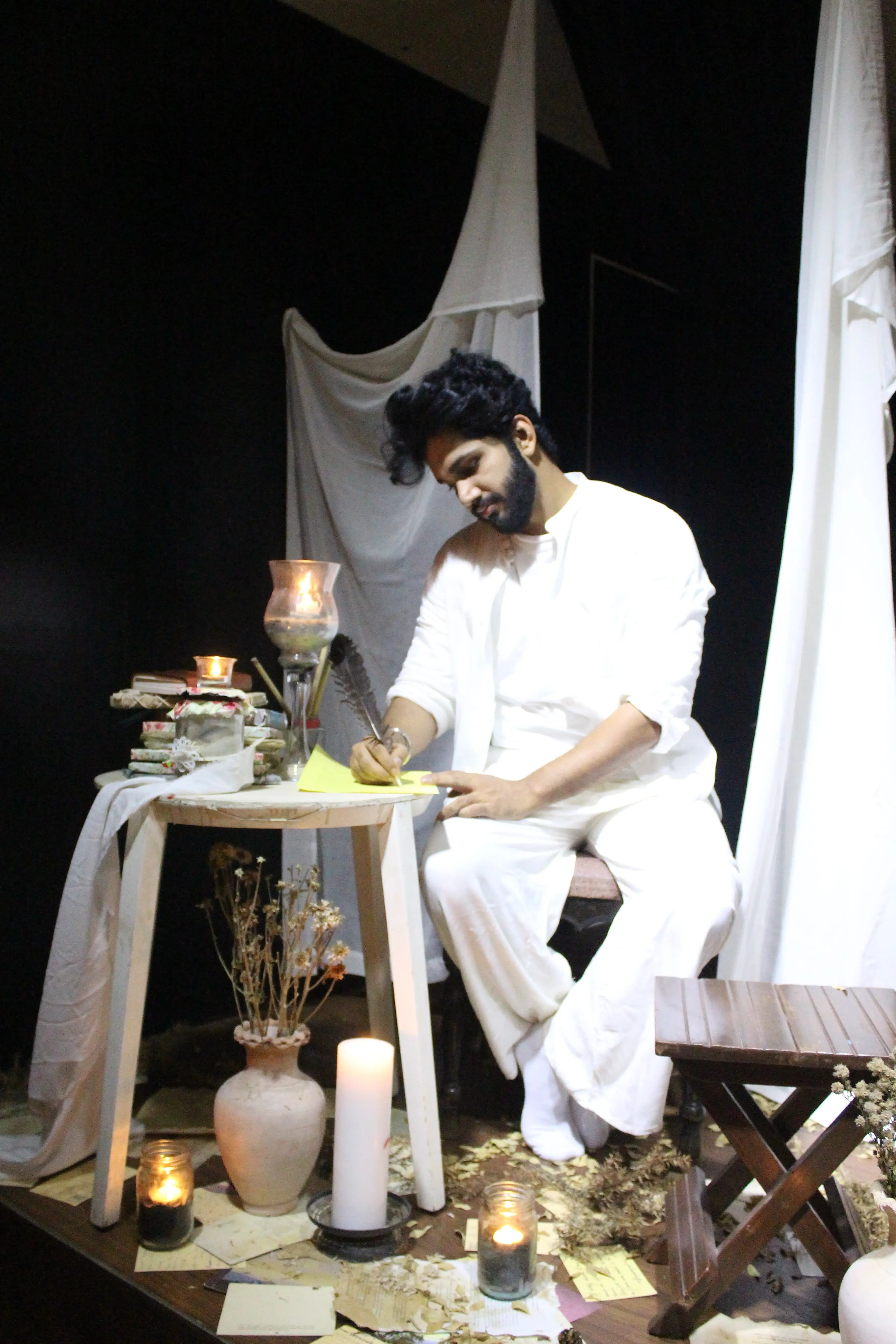
Years ago, during a rehearsal, I watched an actor completely freeze on stage. Not because he forgot his lines — he knew them cold. He froze because he suddenly became aware of the audience watching him, and every ounce of natural presence he had drained out of his body in an instant. I remember thinking, this is exactly what happens to executives the moment they step in front of their own team.
That moment has quietly shaped a large part of how I approach leadership training today. As a theatre artist and director long before I became a psychologist, I learned something corporate training programs rarely teach — presence isn't a personality trait you're born with. It's a skill you rehearse.
Why Most Leadership Training Feels Hollow
Sit through enough corporate workshops and you start noticing a pattern. Slides. Frameworks. A facilitator reading bullet points about "authentic leadership" while standing completely rigid at the front of the room. There's an irony in teaching presence through a PowerPoint deck that itself has none.
Leadership isn't information you absorb. It's a physical, emotional, and social act performed in real time, in front of real people, often under real pressure. That's precisely why theatre training translates so well into it — because theatre has spent centuries studying exactly that.
What the Stage Actually Teaches
When actors rehearse, they aren't just memorizing dialogue. They're training instincts that most leadership programs never touch.
Presence without performance. On stage, an actor learns that presence isn't about being loud or dramatic — it's about being fully there, attentive, unguarded. I've watched senior leaders walk into a room and, without saying a word, either fill it with calm confidence or drain it with visible anxiety. That's not charisma. That's trained presence, and it can absolutely be built.
Listening as a physical act. In theatre, you're taught that a scene falls apart the moment an actor stops truly listening to their scene partner and starts just waiting for their turn to speak. Sound familiar? Watch any leadership meeting and you'll see the same failure — everyone rehearsing their next point instead of actually hearing the person in front of them.
Improvisation under uncertainty. No script survives contact with a live audience completely intact. Actors learn to adapt in real time without losing the thread of the story. Leaders face the exact same demand — a plan meets reality, and reality rarely cooperates. The comfort with improvising, rather than freezing when things go off-script, is something I actively train into leadership programs now.
Storytelling that actually moves people. Data convinces people's minds. Stories move their behavior. Some of the most technically brilliant executives I've coached struggle to inspire a room simply because they present facts instead of a narrative people can feel something toward.
Bringing This Into the Boardroom
As a Leadership Consultant, I don't run leadership training the way most firms do. I borrow directly from rehearsal rooms. We use role play — not the awkward, scripted kind everyone secretly dreads, but genuine improvised scenarios where a leader has to navigate a difficult conversation without a prepared script. We use physical warm-ups, the same ones actors use before stepping on stage, to help executives regulate nervous energy before high-stakes meetings. We record and rewatch, the way directors give actors feedback on a scene — not to criticize, but to help someone actually see what their team sees.
It's uncomfortable at first. Executives are used to being evaluated on outcomes and spreadsheets, not on how they hold a pause or where their eyes go when they're uneasy. But that discomfort is exactly where the real learning happens.
Vulnerability Is Not a Weakness on Stage — or in Leadership
One thing theatre teaches that corporate culture actively resists is vulnerability. A good actor has to be willing to be seen fully, awkward moments and all, or the performance rings false. Leadership works the same way. Teams can sense when a leader is performing confidence versus actually being honest about uncertainty. The leaders who build the deepest trust aren't the ones who never show doubt — they're the ones who can say "I don't have this fully figured out yet" without their authority collapsing.
That kind of emotional courage doesn't come from a slide about "authentic leadership." It comes from practice, repetition, and a safe space to fail small before failing big.
Why This Matters More Than Ever
Modern leadership isn't just about hitting targets anymore. It's about holding a room during uncertainty, communicating with genuine empathy, and building trust that doesn't evaporate the moment things get difficult. Those are performance skills as much as psychological ones, and that's exactly why theatre and leadership development belong in the same conversation.
The best leaders I've trained aren't the ones who memorized the most frameworks. They're the ones who learned to walk into a room, actually listen, adapt when the plan falls apart, and let people see something real. That's not a technique you find in a textbook. It's something you rehearse, scene after scene, until it becomes who you are — on stage, and in the room where the real decisions get made.