Leadership Development Strategies by Abhishek Banerji
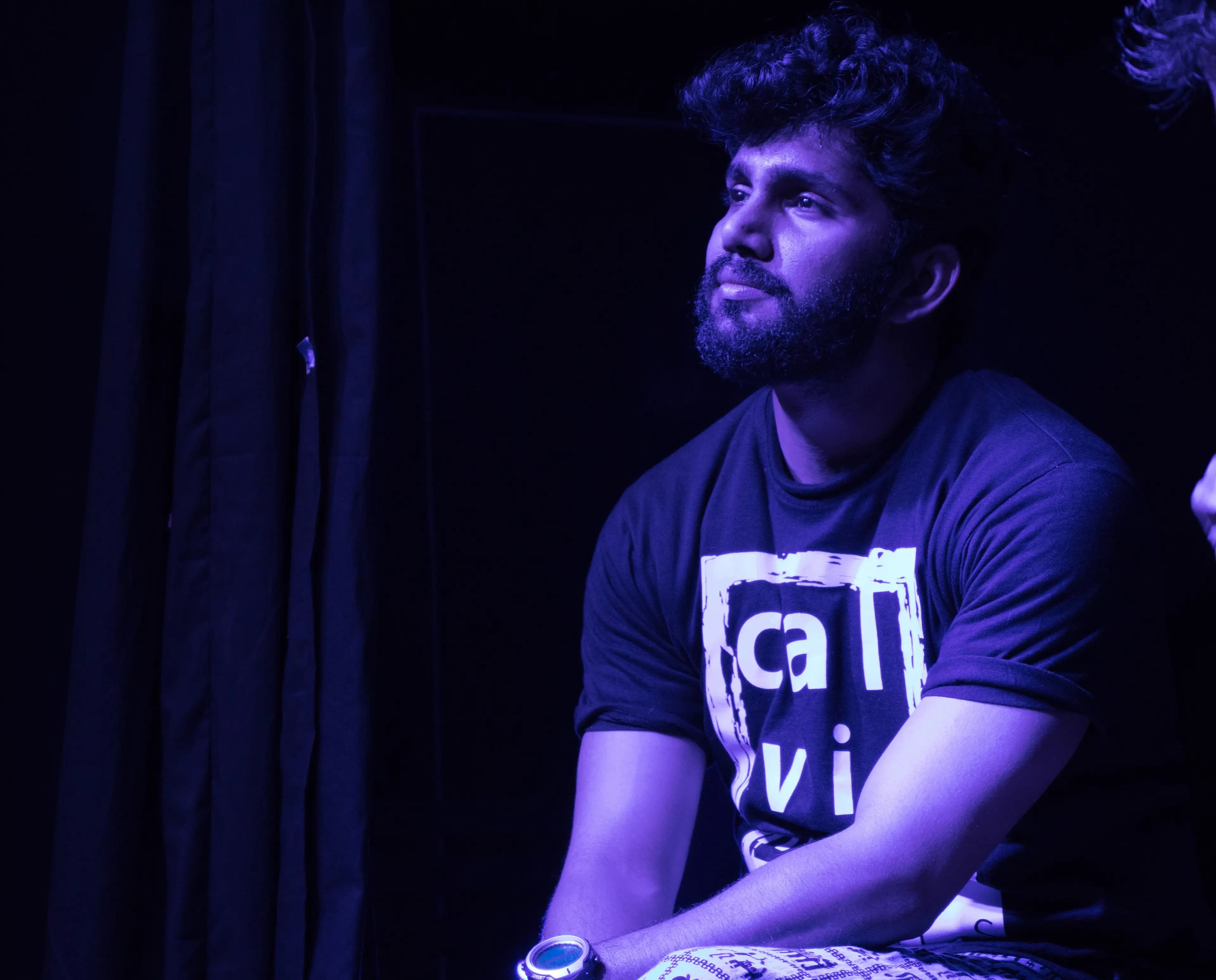
A CEO once told me, halfway through a coaching session, "I know how to run the numbers. I have no idea how to run a room." That sentence has stuck with me for years. It's rarely the strategy decks or the spreadsheets that trip leaders up. It's the human part — reading people, holding difficult conversations, earning trust instead of just commanding a title.
As a Leadership Consultant, that's the gap I spend most of my time closing. Technical competence gets people promoted into leadership roles. It almost never prepares them to actually lead.
Why Most Leadership Training Doesn't Stick
Here's something I've noticed after years of running workshops and one-on-one coaching: most leadership programs are built like exam prep. A two-day workshop, a slide deck full of frameworks, a certificate at the end — and then everyone goes back to their old habits within a month. It looks like development. It rarely is.
Real leadership growth isn't an event. It's a slow, sometimes uncomfortable process of noticing your own blind spots and actually doing something about them. I've sat with senior executives who could quote every leadership model on paper but still interrupted their team in every single meeting without realizing it. Knowing the theory and living it are two very different things.
The Foundation: Self-Awareness Before Skill
Before we talk about delegation, communication, or decision-making, there's one thing that has to come first — self-awareness. A leader who doesn't know how they come across under pressure will keep repeating the same mistakes no matter how many frameworks they've studied.
This is where my work as an Executive Coach really starts. Not with a checklist, but with a mirror. I ask questions most people avoid asking themselves. How do you actually behave when a project fails? Do you shut down, or do you get defensive, or do you quietly blame the team? Most leaders have never sat with that question long enough to answer it honestly.
Once someone sees their own patterns clearly, the rest of the work becomes possible.
Strategies That Actually Move the Needle
A few approaches consistently make a real difference, whether I'm working with a first-time manager or a founder scaling a hundred-person company.
Build emotional intelligence deliberately, not accidentally. Empathy and self-regulation aren't soft add-ons to leadership; they're core mechanics. A leader who can stay calm during a tense negotiation, or notice when a team member is quietly struggling, will outperform a technically sharper leader who can't.
Delegate like you trust people, not like you're outsourcing chores. So many leaders delegate tasks but still hover, correct, and re-do the work anyway. That's not delegation. That's control wearing a disguise. Real delegation means giving people ownership of outcomes, not just a to-do list.
Make feedback a habit, not an annual event. Waiting for a performance review to tell someone what they're doing wrong is, frankly, a little cruel. People deserve to know in real time. Small, honest, frequent feedback builds far stronger teams than one dramatic conversation once a year.
Treat communication as a skill, not a personality trait. I hear leaders say "I've just never been a people person" as if that settles the matter. It doesn't. Communication can be learned, practiced, and improved like any other skill — active listening, clear framing, reading a room before responding.
Mentor the next layer, deliberately. The strongest leaders I've worked with are obsessed with building their replacement, not protecting their position. Succession isn't something you plan for at retirement. It should start on day one.
Where Organizational Psychology Comes In
Leadership doesn't exist in a vacuum. It's shaped by the culture around it. As an organizational psychologist, I've seen brilliant, well-intentioned leaders get quietly undone by systems that reward the wrong behaviors — promoting the loudest voice in the room instead of the most thoughtful one, or measuring success purely by output while ignoring how that output was achieved.
If an organization wants better leaders, it has to build structures that actually support leadership growth: psychological safety to admit mistakes, room for honest upward feedback, and performance metrics that account for how people are led, not just what gets delivered. Leadership development can't just live inside a training room. It has to be baked into how the whole company operates.
What I've Learned From the Stage
My years as a theatre artist and director taught me something leadership books rarely mention — presence. On stage, an actor learns to hold a room without saying a word, to read an audience's energy and adjust in real time. Leadership needs that same instinct. The best leaders I've coached aren't necessarily the loudest in the room. They're the ones who know exactly when to speak and, just as importantly, when to stay quiet and let someone else be heard.
A Practical Starting Point
If you're leading a team right now and wondering where to begin, start small. Pick one habit — maybe it's interrupting less, maybe it's giving feedback within 48 hours instead of letting it pile up — and work on that alone for a month. Leadership development doesn't happen through a single seminar. It happens through hundreds of small, repeated choices that eventually reshape how you show up for people.
Good leadership isn't about having all the answers. It's about creating the conditions where the people around you can do their best work, feel genuinely heard, and trust that their leader is paying attention — not just to results, but to them.